Source Self Adhesive Plastic Bow for Party, Wedding, and Gift Decoration
Source 27 self adhesive plastic bow options for party, wedding, and gift decoration. Compare customizable styles, materials, and packing details from Dongguan suppliers to find the right fit for your needs; compare the available evidence and request quotations based on your requirements.
Key considerations
Products List








Comprehensive Sourcing Guide
Self Adhesive Plastic Bow Sourcing Guide
Buyers evaluating self-adhesive plastic bows must first distinguish between decorative variants and functional gift-wrapping accessories, as the supply chain offers distinct product lines for each use case. The observed market data indicates a wide range of models, including star bows, butterfly bows, and pull bows, which serve different aesthetic and structural needs. Understanding these specific model types is essential before initiating contact with suppliers, as the customization options and material properties vary significantly between a simple plastic decoration and a complex gift wrap accessory.
Procurement teams should also scrutinize the observed listing signals regarding material composition and origin to ensure alignment with project requirements. While many listings specify polyester or polypropylene materials, others indicate plastic as the primary component, which directly impacts durability and adhesion performance. The geographic concentration of suppliers in Dongguan, Guangdong, China, suggests a mature manufacturing ecosystem, yet buyers must verify if the specific product origin matches the claimed location to avoid potential logistical or quality discrepancies during the sourcing process.
Product Scope and Observed Listing Signals
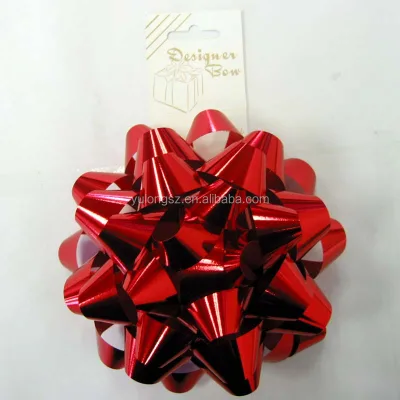
When analyzing product scope, buyers must recognize that the available inventory spans from universal decorations to specialized gift wrap solutions with specific dimensional standards. The data reveals models with precise specifications such as 3cm by 120cm or 6mm by 12 strands, alongside customizable size options that allow for tailored procurement. This variability means that a single supplier may offer a broad catalog, requiring buyers to clearly define whether they need a standard 2.5-inch diameter star bow or a custom-sized item to meet specific packaging or display requirements.
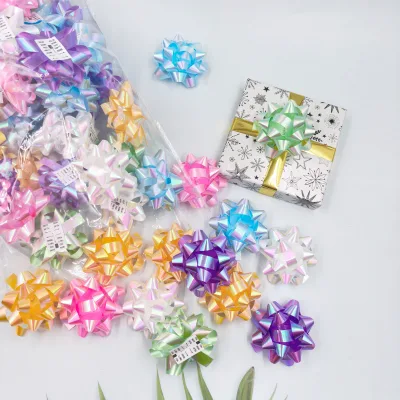
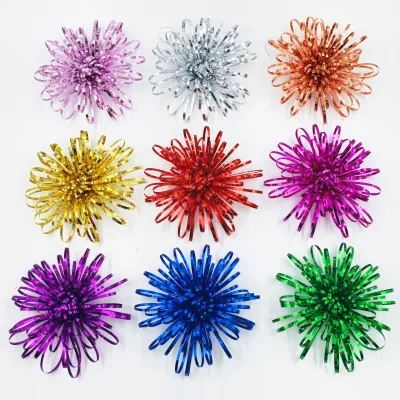
The observed listing signals also highlight diverse packaging and shipping configurations that influence logistics planning and cost estimation. Some products are packed in cartons with 50 pieces per bag, while others utilize bag-only packaging or custom sizes based on the product dimensions. Buyers should verify the single package size and gross weight, as these factors directly affect freight costs and storage efficiency. Additionally, the availability of mixed color options and specific color palettes like orange, pink, and gold allows for flexible visual merchandising but requires clear communication to ensure the correct color mix is delivered.
Technical Specifications to Verify
Technical verification begins with confirming the material composition and physical attributes that determine the bow's performance in its intended environment. Buyers must explicitly check if the product is made of plastic, polyester, or polypropylene, as these materials offer different levels of rigidity and adhesion strength. The presence of features such as self-adhesive backing, sewable options, or ironable surfaces indicates versatility, but the specific application—whether for wedding layouts, holiday parties, or cake decoration—dictates which technical attributes are non-negotiable for the final product.
Dimensional accuracy and shape consistency are critical technical parameters that require strict validation against the supplier's provided standards. Listings mention specific models like the car bow with a 20-inch standard or the star bow with a 2.5-inch diameter, yet other entries suggest customizable sizes are available. Procurement teams must request detailed technical drawings or samples to confirm that the actual product dimensions match the claimed standards, especially when the order involves large quantities where minor deviations can accumulate into significant quality issues.
Compliance and Safety Documentation
Compliance verification for self-adhesive plastic bows often involves checking for specific safety certifications, though the current data does not explicitly confirm FSC or other third-party certifications for all listed items. Buyers should request proof of compliance with relevant safety standards, particularly if the bows are intended for use in environments with children or for food-adjacent applications like cake decoration. The absence of explicit certification data in the general listings necessitates a proactive approach where the buyer demands specific test reports or compliance statements from the supplier before finalizing any purchase agreement.
Documentation regarding the product's origin and manufacturing standards is equally vital for ensuring supply chain transparency and regulatory adherence. While many products list their origin as Dongguan, Guangdong, China, buyers must verify if the specific batch adheres to the claimed customizable standards or if it follows a fixed production protocol. Ensuring that the supplier can provide accurate documentation regarding the materials used and the manufacturing process helps mitigate risks associated with non-compliant goods, especially when importing into markets with strict safety regulations for decorative items.
Cost Drivers and Commercial Terms
Cost drivers for self-adhesive plastic bows are heavily influenced by the level of customization required and the specific material composition selected. The observed price range of 0.01 to 2.89 USD suggests that basic, non-customized items are significantly cheaper than those with complex features like stereoscopic designs or specific color mixes. Buyers must understand that opting for custom sizes, unique shapes, or specialized packaging can increase the unit cost, and these variables should be factored into the total landed cost calculation before negotiating with suppliers.
Commercial terms, including payment methods and minimum order quantities, vary widely across the supplier base and must be clearly defined to avoid financial friction. The data indicates a minimum order quantity range from 10 to 100,000 units, offering flexibility for both small-scale buyers and large distributors. Payment terms such as T/T are mentioned, but buyers should negotiate terms that align with their cash flow needs and risk tolerance. Additionally, understanding the packing specifications, such as 60 pieces per bag or carton, is crucial for calculating the total number of units required to meet the minimum order threshold.
Supplier Qualification and Quality Control
Supplier qualification for this category requires a thorough assessment of their production capabilities and their ability to meet specific customization requests. The presence of OEM services and customizable standards indicates that many suppliers are equipped to handle tailored orders, but buyers must verify their capacity to maintain consistency across large production runs. It is essential to confirm that the supplier can reliably deliver products that match the observed attributes, such as the specific shape, color, and material properties, without compromising on quality or delivery timelines.
Quality control protocols should be established early in the sourcing process to ensure that the final products meet the buyer's expectations for durability and appearance. Buyers should request samples that reflect the exact specifications of the intended order, including the self-adhesive strength and the finish of the plastic or polyester material. Implementing a pre-shipment inspection plan is advisable to catch any deviations in color, size, or packaging before the goods leave the factory, ensuring that the delivered items align with the agreed-upon standards and reducing the risk of returns or disputes.
Long-Term Procurement Checks
Long-term procurement success depends on establishing a reliable supply chain that can adapt to changing market demands and volume fluctuations. Buyers should maintain regular communication with suppliers to monitor their production schedules and capacity, ensuring that they can fulfill repeat orders without delays. The ability of the supplier to offer consistent quality and adhere to the agreed-upon standards over time is a key indicator of a sustainable partnership, which is particularly important for businesses that rely on these bows for recurring events or seasonal promotions.
Continuous monitoring of market trends and supplier performance is necessary to identify potential risks and opportunities for optimization. Buyers should periodically review the supplier's adherence to the observed listing signals, such as material consistency and packaging standards, to ensure that the product quality remains stable. Additionally, staying informed about any changes in the supplier's location, certifications, or production capabilities allows the buyer to proactively adjust their sourcing strategy, ensuring a resilient and efficient supply chain for self-adhesive plastic bows.
FAQs
Can self adhesive plastic bows be customized for specific events?
Yes, customization is available for these bows to suit various needs. Buyers can request custom sizes and specific styles such as plaid or star shapes. The material options include polyester and plastic, allowing for tailored solutions. This flexibility ensures the product meets unique design requirements for different occasions and branding purposes.
What materials are used to make these decorative bows?
These bows are primarily manufactured using polyester and plastic materials. Some variants are made from polypropylene, offering durability and flexibility. The choice of material depends on the specific style, such as pull bows or car bows. These materials provide the necessary structure for decorative purposes while maintaining a lightweight profile suitable for various applications.
What is the typical packaging method for these bows?
Packaging varies based on the product size and type. Common methods include carton packing, with specific counts like 50 pieces per bag or 60 pieces per bag. Some items use CTN or bag packaging according to the product's size. This ensures safe transport and easy storage for bulk orders, accommodating different logistical requirements for international shipping.
Where are these self adhesive plastic bows manufactured?
These products originate from Dongguan, Guangdong, China. The manufacturing location ensures access to established supply chains and production facilities. Buyers can expect consistent quality and availability from this region. The origin is a key factor for logistics planning, as it influences shipping times and costs for international orders seeking these decorative items.
What are the common specifications for these bows?
Specifications vary by model, including sizes like 3cm by 120cm for pull bows or 20 inches for car bows. Some models feature a 2.5-inch diameter, while others have 6mm strands. Custom sizes are also available to meet specific requirements. These dimensions cater to diverse uses, from wedding layouts to festival decorations, ensuring versatility for different decorative needs.
What features do these bows offer for application?
These bows offer versatile features including self-adhesive properties for easy application. They can be sewable, ironable, or come with pins for secure attachment. The stereoscopic design adds visual appeal, making them suitable for gifts and decorations. These features allow for flexible usage in various settings, from cake wrapping to general holiday party decor, enhancing their utility.